
The Summer Ledger
No adults allowed

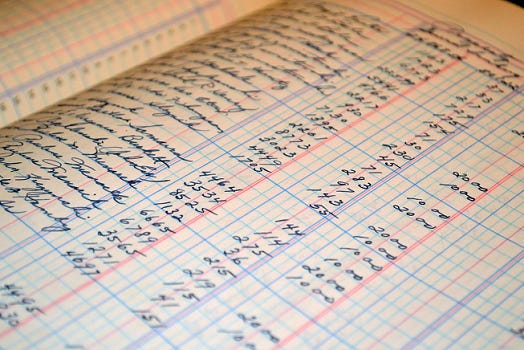
In the town of Hartley, where the roads turned to dust by noon and the screen doors never stopped creaking, every child knew that Mr. Elias ran the only store that mattered.
It wasn’t much to look at, with its faded clapboards, a sagging porch, and a bell over the door that jangled like a cow with a cough. Inside, though, it had everything a kid could want in the summer: jawbreakers, penny licorice, paper kites, cold sodas, and a creaky old fan that made the whole place smell like peppermint and sawdust.
Every June, just after school let out, Mr. Elias pulled out a narrow, cloth-bound ledger from under the counter. He’d lay it flat, open to a fresh page, and write in bold pencil at the top:
SUMMER CREDIT — CHILDREN ONLY
Kids came in with nothing but sticky hands and bare feet. Didn’t matter. Mr. Elias would let them pick what they wanted — a root beer, a handful of jelly beans, a toy glider — and then he'd write it down in the ledger:
Name. Item. Price. Date.
“No grown folks on the list,” he’d say. “This is summer business.”
The rule was simple: pay it all back before the first school bell in September. Some kids tried, showing up in late August with unrecognizable coins they probably found in a creekbed, bottle caps, even drawings they hoped would pass as tender. Most didn’t manage even that much..
Still, each summer, the ledger came back out, clean page waiting.
By the end of August one particular year, when it was the kind of hot that curled shingles and wilted flags, word got around that Mr. Elias wasn’t going to do it anymore. Times were hard. Folks whispered about taxes and missed deliveries.
Then came September.
The day before school started, Mr. Elias did something he’d never done before.
He left the store closed.
Instead, he dragged a chair out onto the porch, ledger in hand, and sat with a stub of pencil behind one ear. One by one, kids from all over town trickled in. Most were sweaty and nervous, holding dimes, nickels, buttons, IOUs.
Each one climbed the steps, handed over what they had, and watched as Mr. Elias flipped through the ledger.
He’d nod, say “That’ll do,” and cross their name off with a quiet, clean line.
Then came Henry Malloy, twelve years old, always short on luck and long on appetite, holding nothing but his hat in his hands.
Henry swallowed hard. “I didn’t bring anything. I—I was gonna, but—”
Mr. Elias looked at him a long while, then closed the ledger.
“You came,” he said, tapping the cover. “That’s what counts.”
Henry blinked. “Ain’t you gonna collect from the rest?”
Mr. Elias smiled, slow and lopsided.
“Son, I ain’t been counting the money. I’ve been counting who shows up.” He stood and dragged the chair toward the door, then stopped and looked back at the gathered children. Holding the ledger in the air near his head, he smiled and said, “See you all next summer.”
That night, the town kids gathered around the store like it was a campfire. Some talked about how they were going to pay him back next summer. Others quietly promised to do better in school, or help at home.
Mr. Elias sat on his porch again, ledger closed beside him, the bell above the door silent. For the first time all summer, no one asked for anything.
Other Stories You Might Like

Hot Flashes on the Back Porch: Flash Fiction for Your Long Summer Days
Pull up a chair, pour something cold, and let the screen door creak shut behind you. You're in for a summer like no other.
In this collection of twenty flash fiction tales, the days are long, the drinks are cold, and danger just might be around the corner. From dusty western outposts to shady front yards, smoky barrooms to sun-bleached highways, Hot Flashes on the Back Porch delivers bite-sized stories full of nostalgia, mystery, longing, and the kind of trouble that only comes around when the mercury rises.
Read this Hugh Wesley collection now!
In Shadows

Some nightmares don’t end when you wake up.
Jack Layton is recovering from the car crash that killed his wife. Wracked by guilt and drowning in grief, he isolates himself - until he discovers her final letter. She describes visions and creatures in the darkness that threatened to drive her mad.
Now Jack sees them, too.
Struggling to hold on to his sanity, Jack digs deeper into the wreck that shattered his life. Was their accident even an accident at all? The truth is waiting for him in the dark - if he's willing to pay the price.
What did his wife see? Why are these creatures haunting him now? What are the secrets that lie...in shadows?